For those tired of standard tours and eager to taste Vienna — literally.
What This Wine Tour in Vienna Is About
Wine tour in Vienna is not just a tasting. Instead, it is a walk through the history of the city through aroma, taste and terroir. On this route, wine becomes a way to understand Vienna beyond palaces, waltzes and museum halls.
Vienna is not only an imperial capital of palaces and waltzes. It is also a city where terroir breathes beneath your feet. Here, vines cling to the slopes of hills, and history comes alive in your glass.
Imagine walking along the medieval streets of the inner city, Innere Stadt. Beneath your feet is stone that remembers Roman legionaries. Then you suddenly realize: vineyards still live here, in the very heart of Vienna.
Austria has its own unique terroir. Cool winds from the Danube, limestone soils and a rare mix of continental and Pannonian climate shape the wines. As a result, they gain bright structure, lively acidity and elegant minerality.
We will trace an unbroken connection: Roman legionaries → medieval monasteries → imperial cellars → modern Heurigen. Therefore, this tour is not only about tasting. It is also about seeing how winemaking traditions survived for almost two thousand years.
Spoiler: it is not a coincidence. However, it is also not magic. It is simply the genius of place in its purest form.
The Route: Wine Tour in Vienna in the Footsteps of the Roman Vine
The route follows the story of wine from Roman camps to medieval cellars and traditional taverns. First, we look at how the vine came to this land. Then we taste how history survives in Austrian grape varieties. As a result, the city becomes not only visible, but also drinkable.
From Roman Camps to Viennese Wine Cellars
The roots of Austrian winemaking run deep. They go back to the Roman military camps of Vindobona, the future Vienna, and Carnuntum. Roman legionaries brought the vine and winemaking technology here. In this way, Pannonia became one of the first wine regions north of the Alps.
Since then, wine here has been more than a drink. It has become part of the genius of place. We begin where the secrets of winemaking were kept and passed down for centuries.
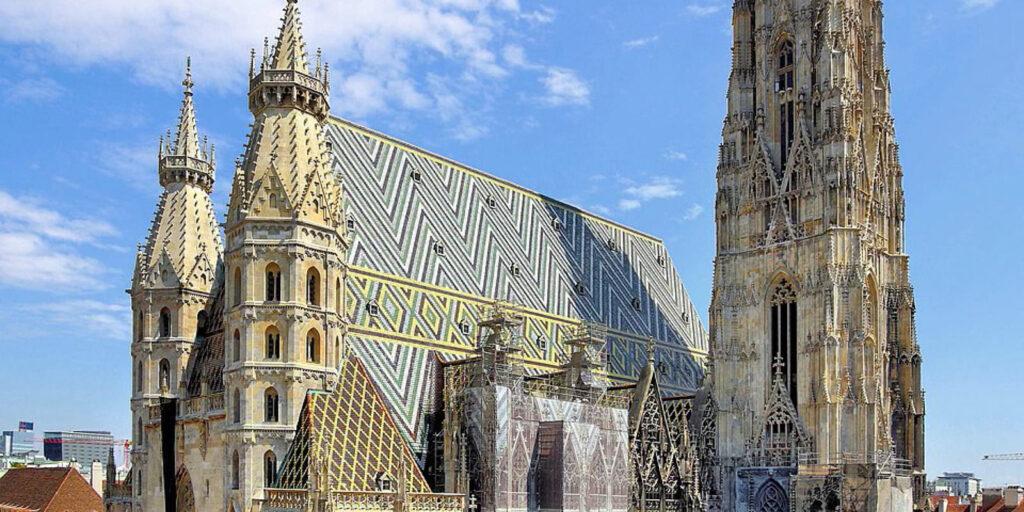
Tourists usually walk by, photograph the cathedral and go for Viennese strudel. We, however, go deeper. Literally — into medieval cellars and atmospheric Heurigen, where time seems to have stopped two hundred years ago.
What we will understand here:
Terroir is not just “soil and climate”. Rather, it is a dialogue between land, people and history. Vienna is the perfect city to learn how to hear this dialogue.
Austrian Wines in the Glass
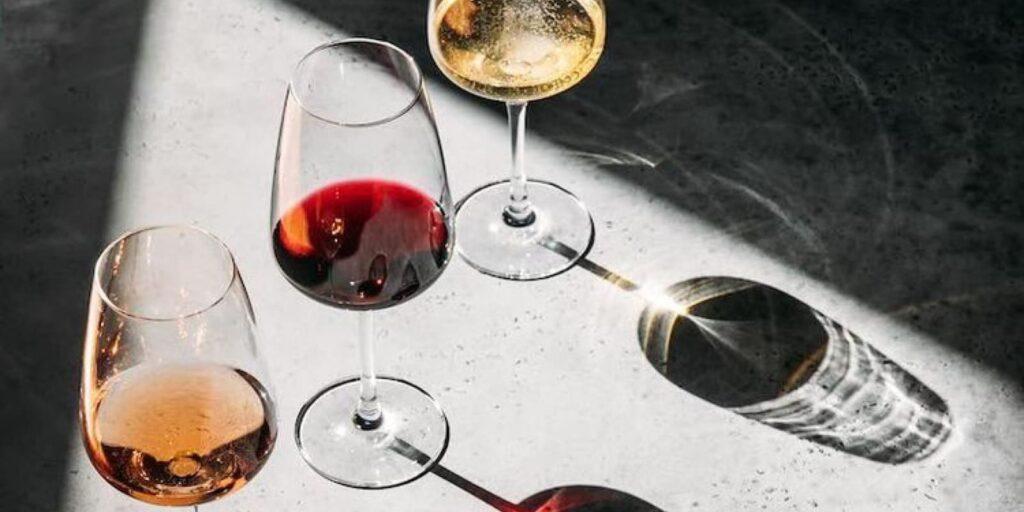
During this wine tour in Vienna, we taste Austrian wines that explain the city in their own language. Among white varieties, the king is Grüner Veltliner. It is a truly autochthonous Austrian grape: fresh, lively and unmistakable.
Grüner Veltliner often shows white pepper, green apple and sometimes notes of radish. In the right glass, it unfolds in layers. Moreover, it changes with temperature and time. This is exactly what a thoughtful tasting is about.
The reds are no less interesting. Zweigelt is an Austrian invention from 1922. It was created by breeder Friedrich Zweigelt by crossing Blaufränkisch and Sankt Laurent. As a result, it offers juicy berry aromas, soft tannins and surprising drinkability.
Blaufränkisch brings depth, structure, spicy notes and aging potential. It can be powerful and elegant at the same time. Therefore, it is one of the most expressive red varieties in Austria.
What we will taste:
The true Viennese signature is Gemischter Satz. This is Vienna’s famous field blend. In one vineyard, at least three different white varieties grow, ripen and are vinified together. Often, there are many more.
There are no artificial assemblages here. Instead, the wine reflects what a specific plot of land has given. The result is a wine of remarkable complexity. Each sip feels like a walk through a Viennese hill: different shades, harmony and a true sense of place.
Heurigen and Buschenschank: Where Time Stopped
We enter colorful traditional taverns — Heurigen and Buschenschank. Here, wine is served almost as it was two hundred years ago: in mugs, with simple snacks of local cheese, ham and fresh bread.
In these atmospheric places, I comment on each wine as a licensed guide and graduate of WeinAkademie Österreich. We do not simply say “like” or “do not like”. Instead, we analyze structure, acidity, tannins and evolution in the glass.
We also ask how wine “speaks” to the moment and place. In other words, tasting becomes a small cultural investigation.
Why this matters:
We are in no hurry. Along the route, we stop in several places to taste wines with traditional snacks. Each stop is not just “pour and drink”. Rather, it is a small investigation into land, history and the people behind the wine.
Mozart, the Habsburgs and the Mathematics of Wine
Where there is wine, there is Mozart. The Habsburg imperial court was not only a patron of the arts. It was also a passionate world of wine culture.
In Viennese cellars, a special culture of consumption was born. Here, wine was not just a way to get drunk. Instead, it became a way to live the moment.
Today, this legacy continues among sommeliers, wine lovers and communities of connoisseurs. For them, wine is an intellectual challenge, sensory pleasure and social ritual at the same time.
A question we will ask:
Why today, with access to almost any information about wine, do we still need a guide? Perhaps because a good guide shows not only how to drink, but how to understand.
Your Guide
Lyubov Dzhurinskaya, certified cultural historian, licensed guide for Vienna and Austria, graduate of the WeinAkademie Österreich.
I look at wine with a double gaze. As a cultural historian, I see history, rituals and context. As a wine professional, I feel structure, balance and aging potential.
I will not stand on ceremony. Instead, I will show you that wine is not about alcohol percentage. It is about aliveness, attention, the ability to slow down and the courage to feel.
What You Will Take Away
- An understanding of how Roman legionaries, medieval monks and the Habsburgs shaped Austrian wine culture
- The ability to read wine: from variety to aging, from aroma to finish
- Knowledge of unique Austrian varieties: Grüner Veltliner, Zweigelt, Blaufränkisch and Viennese Gemischter Satz
- Intellectual drive and, perhaps, a few new favorite wines
- Irony toward those who think wine is just “a drink”
Who This Wine Tour in Vienna Is For
- Travellers looking for unusual tours in Vienna
- Guests tired of standard museum routes and eager to taste the city
- Those interested in wine culture, terroir and professional tastings
- Anyone ready for an intellectual conversation about taste, history and the genius of place
- Connoisseurs who want not just to drink, but to experience wine through history and sensory perception
Wine tour in Vienna is for those who want more than a glass of Austrian wine. It is a route for people ready to taste the city through history, terroir, culture and irony.